
A Drug-Centered Approach to Localized Cancer Therapy
Glioblastoma (GBM) is one of the most aggressive and deadly brain cancers.
Despite surgery, radiation, and chemotherapy, outcomes have not meaningfully improved in more than two decades. Most patients experience recurrence within months.
Alpheus is advancing a new therapeutic approach designed to improve outcomes while reducing treatment burden for patients and families.
How We’re Changing the Game
Alpheus is developing a non-invasive therapy that uses a tumor-accumulating drug together with low-intensity ultrasound to create localized activity inside the brain. The goal is to treat the tumor without exposing the rest of the body to high drug levels.
Treatment is delivered in an outpatient setting while patients are awake and is designed to be repeatable. Early clinical studies have demonstrated a favorable safety profile and encouraging biological and radiographic signals. A pivotal Phase 2b clinical trial in newly diagnosed GBM is currently enrolling patients.
The PoMA Platform
Porphyrin Metabolite Activation (PoMA™) is Alpheus’ drug-centered therapeutic approach designed to achieve localized pharmacologic activity by activating tumor-localized porphyrin metabolites with low-intensity defocused ultrasound.
About Our Therapy
PoMA is designed as a two-part therapeutic approach: oral administration of a tumor-localizing precursor followed by non-invasive activation using low-intensity defocused ultrasound.
The patient takes an oral drug that leads to accumulation of porphyrin metabolites in tumor cells.

Porphyrin metabolites preferentially accumulate in tumor cells compared with surrounding healthy tissue.
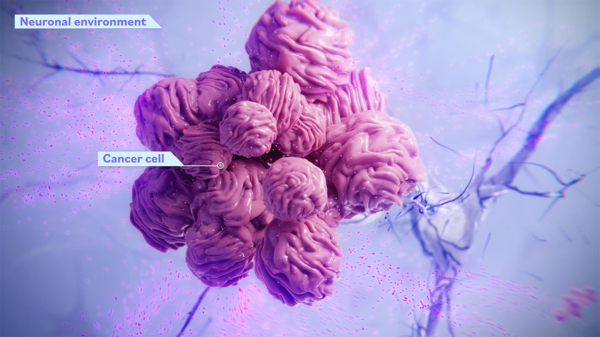
Low-intensity defocused ultrasound is delivered externally to activate tumor-localized porphyrin metabolites.
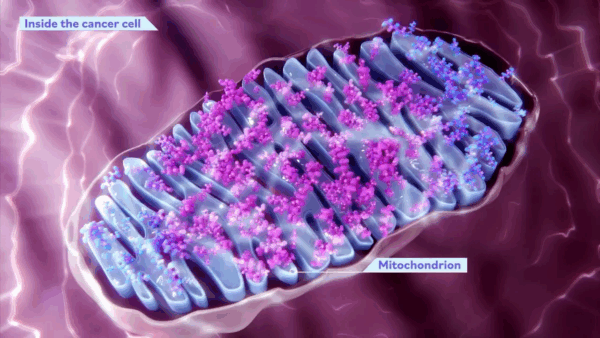
Activation produces reactive oxygen species that damage tumor cells.
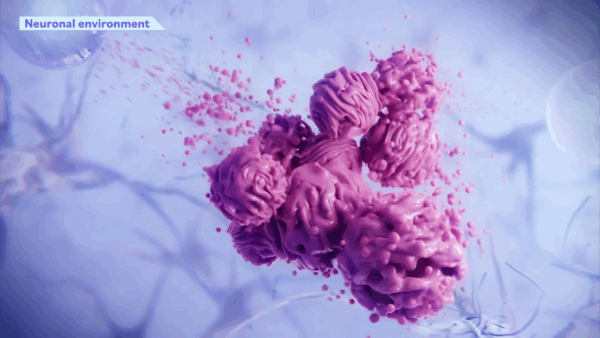
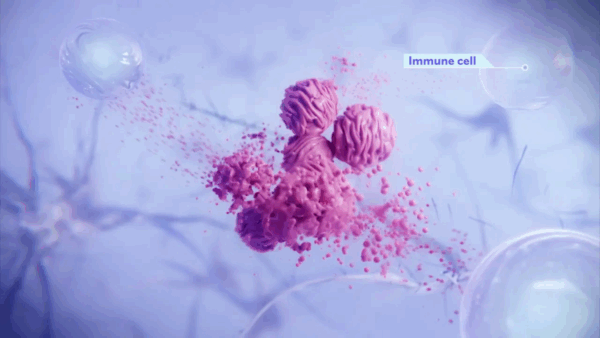
Early research suggests tumor cell damage may also engage immune-related mechanisms.